







Search Results for: Biodegradable Straws
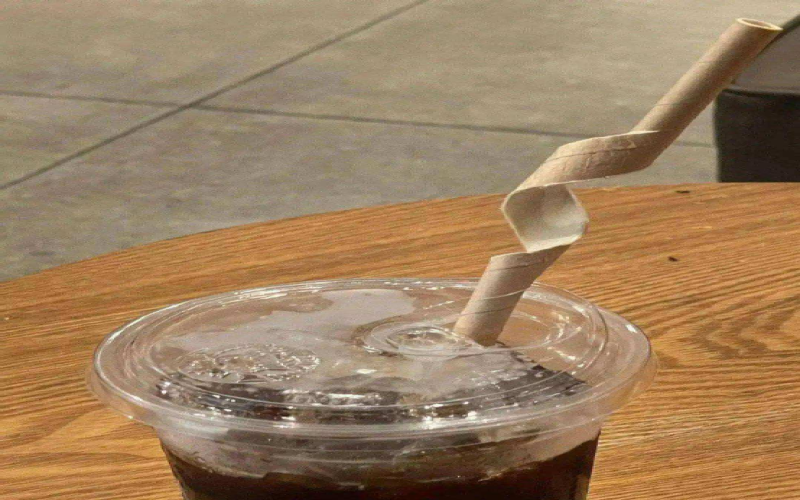
Paper Straws from Viral Fame to Discontinued Production: Can PLA and Edible Straws Become the New Eco-Friendly Alternatives?
Paper straws once swept through the food service industry in the name of environmental protection, yet they have been widely criticized for their poor mouthfeel and tendency to degrade in the mouth, and are now gradually exiting the market. Their replacement, PLA straws, are made from plant starch, are fully biodegradable, and withstand temperatures ranging from cold to hot drinks, but they have a short shelf life and relatively high cost. Meanwhile, research teams have developed edible bacterial cellulose-based straws that completely decompose within 60 days when buried in soil. From paper straws to PLA to coconut jelly straws, behind the iteration of eco-friendly straws lies a trade-off among cost, experience, and degradation performance. This article reviews the current state of paper straw production being discontinued, the market prospects for PLA straws, and the research progress on new edible straws, and includes Front Street Coffee's specialty bean news. [more…]
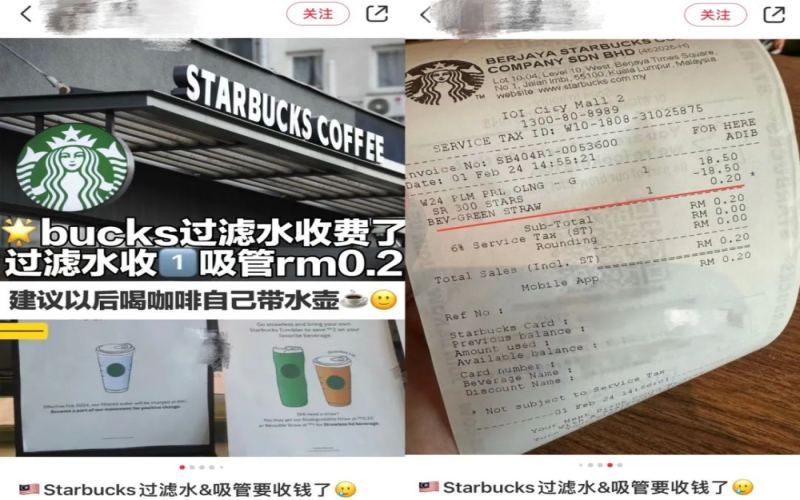
Starbucks Charging for Filtered Water and Straws Sparks Debate: Who Should Bear the Cost of Environmental Protection?
Since 2024, Starbucks has been charging RM1 for filtered water in Malaysia, and biodegradable straws and reusable straws also require an additional fee. This new environmental policy quickly sparked heated discussion among netizens at home and abroad: some criticized it for shifting the cost of environmental protection onto consumers, while others believed the move could help reduce single-use items. Starbucks employees revealed that stores have long experienced petty freeloading, and the charging measures might ease operational pressure. How to balance environmental protection and consumer interests has become a focus of attention. [more…]
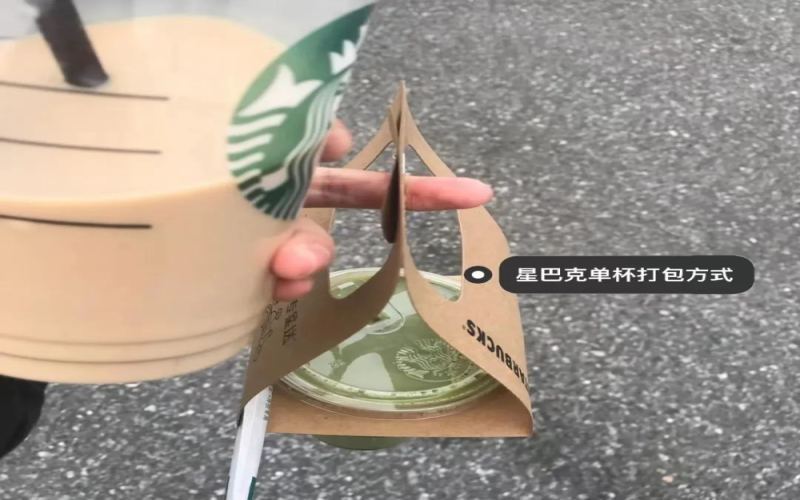
Starbucks Paper Single-Cup Takeout Bags Repeatedly Criticized: How to Balance Environmental Ideals and Practical Experience
Starbucks has been actively promoting eco-friendly packaging, from coffee-ground straws to non-woven bags, and now to the paper single-cup carrier bags that are commonly used today—each step reflects the brand's pursuit of sustainable development. However, this seemingly clever design has frequently drawn complaints from consumers, especially cyclists, who report that the handles break easily, the cup bottoms may fall out, and the paper edges can even cut your hands. Between environmental protection and practicality, how should Starbucks strike the balance? This article will trace the evolution of the carrier bags, present real user feedback, and bring in industry perspectives such as those from Front Street Coffee, to explore the packaging dilemma behind a cup of coffee. [more…]
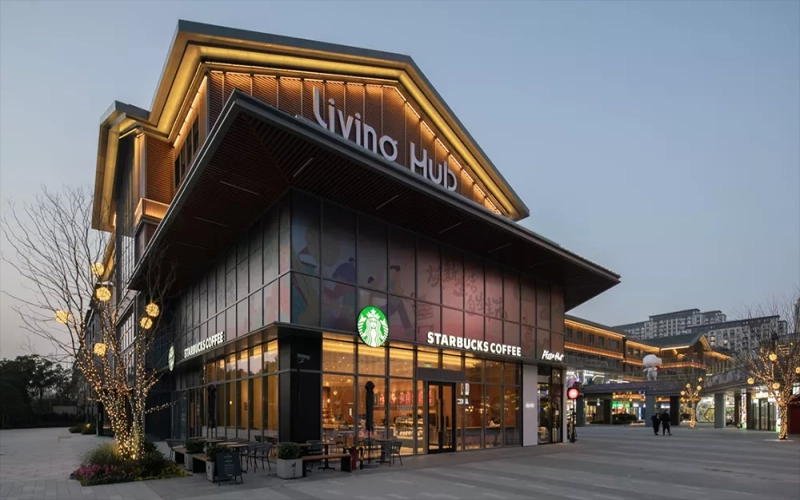
Starbucks China's second green store lands in Suzhou, a comprehensive analysis of its environmental certification system and emission reduction results
Following the "Greener Store" in Shanghai, Starbucks' second "Greener Store" in mainland China officially opened in Suzhou on January 14, marking the launch of its nationwide Greener Store development plan. Such stores must obtain the highest level of LEED certification and meet strict standards in energy conservation, water conservation, and waste treatment. For example, they use mercury-free LED lighting and low-flow faucets throughout, recycle 100% of coffee grounds, and make employee aprons from recycled PET plastic bottles. The Suzhou store also purchases green electricity through a green certificate subscription platform, and its interior uses reclaimed wood and red bricks. Compared with regular stores, each Greener Store can reduce carbon emissions by about 10.57 tons and save about 301.7 tons of water per year. Starbucks has long encouraged customers to bring their own cups, and its first Greener Store, the "Greener Store," was also the first to use paper straws and strictly implement waste sorting, setting an example for the industry. [more…]
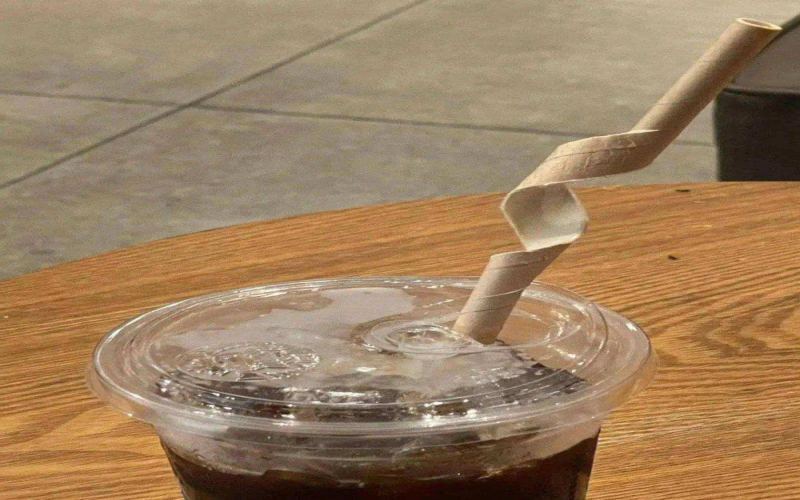
USTC Develops Edible Coconut Jelly Straw to Replace Paper Straws, Doubling Strength and Fully Degrading in 60 Days
In recent years, with the advancement of plastic restriction policies, plastic straws have gradually exited the food service scene, replaced by paper straws and PLA straws. However, paper straws easily become soggy, and PLA straws are not heat-resistant, greatly diminishing the consumer experience. A team led by Academician Yu Shuhong of the University of Science and Technology of China has taken a different approach, using bacterial cellulose combined with sodium alginate to develop an edible nata de coco straw. Its strength, modulus, and toughness are more than twice those of paper straws, it is thinner, and it can be made in different colors. Buried in soil, it nearly disappears in 45 days and completely degrades in 60 days. Can this new material save the afternoon tea joy of office workers? This article will provide a detailed interpretation. [more…]
Coffee Silver Skin Gets a New Life: Japan Launches Silver Skin Straws and Eco-Friendly Tissues
In the coffee industry chain, silver skin is often overlooked as a roasting by-product. However, Japan's Ito En and Tully's Coffee have teamed up to transform this thin protective layer into water-resistant straws. Every 10 grams of coffee beans produces enough silver skin to make two straws, and it does not interfere with the flavor of the drink. In fact, Tully's Coffee had already launched eco-friendly napkins containing silver skin as early as 2012. Although these products are currently limited to some stores in Japan, silver skin-blended paper has already taken an eco-friendly step in reducing pulp usage. This article will guide you through the transformation of coffee silver skin from waste to practical accessories, and revisit coffee grounds recycling cases such as Starbucks' ground coffee straws, exploring the possibility of fully utilizing the entire coffee fruit. [more…]
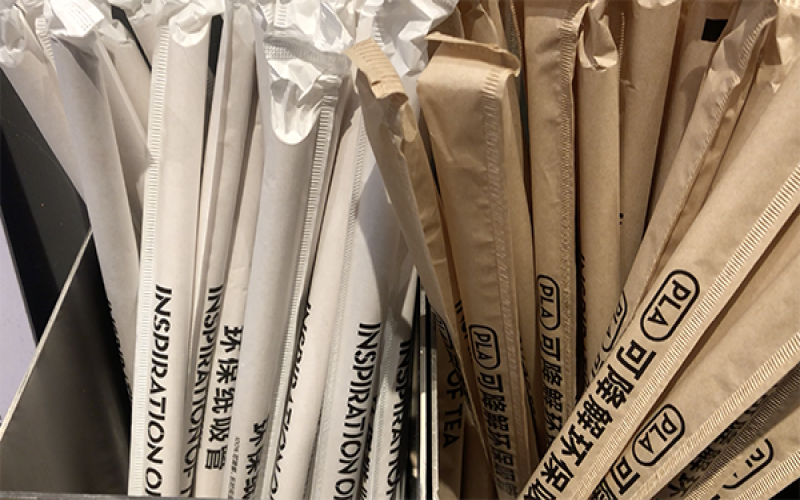
No straw with hot coffee leads to bad reviews? Let's talk about the industry conventions and consumer perception differences behind it
When winter arrives, you order a hot coffee and find there's no straw included—some people grumble about it, while others go straight to leaving a bad review. But why do businesses default to not providing straws with hot drinks? Behind this are both safety considerations—hot liquids can easily cause burns, and plastic straws may release harmful substances when exposed to heat—and a tacit consensus gradually formed across the industry. However, not all customers are veteran coffee enthusiasts, and when faced with "needing utensils" only to receive a hot drink without a straw, misunderstandings and dissatisfaction are naturally hard to avoid. This article will break down the causes and consequences of this contradiction, look at how chain brands and independent cafés respond, and consider what mindset we should adopt toward the diverse choices in how coffee is consumed. [more…]
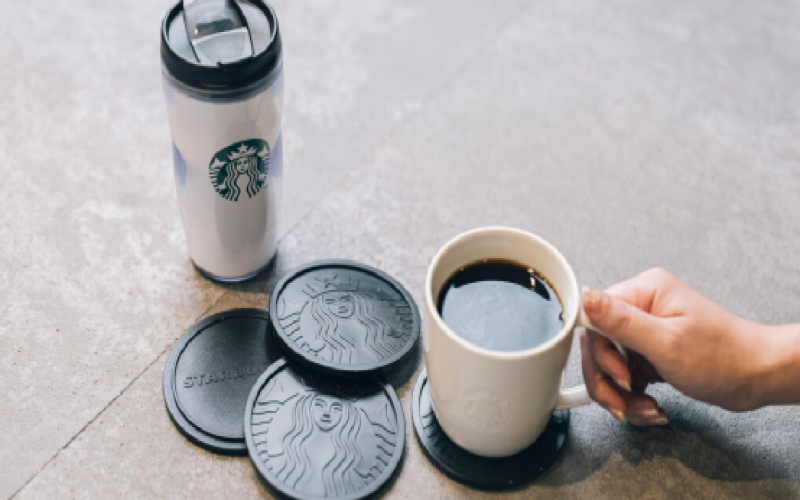
Starbucks Upgrades Its Environmental Practices Again: Discarded Reusable Cups Recycled into Coasters, Coffee Grounds Turned into Straws and Cakes
As the world's largest coffee chain brand, Starbucks consumes an astonishing amount of materials in its daily operations, with plastic products being a significant component. In recent years, Starbucks has continued its transformation into an environmentally friendly brand, constantly introducing new initiatives in resource recycling. Starbucks Japan recycles discarded tumblers into coasters, while coffee grounds are used for composting to grow carrots and make cakes for sale; Starbucks China processes coffee grounds into cold drink straws. Additionally, Starbucks is accelerating the opening of "Green Workshop" stores, using discarded items from other stores for creative upcycling. These practices not only reduce carbon emissions but also demonstrate to consumers more possibilities for waste recycling, offering considerable inspiration to the coffee industry. [more…]
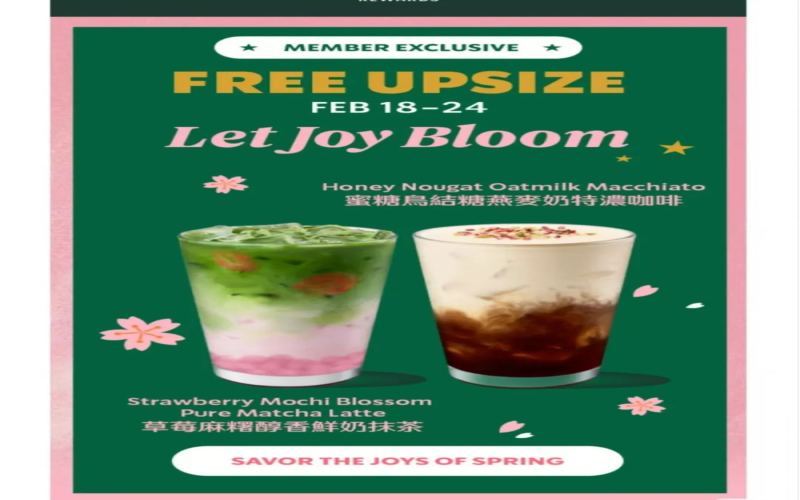
Starbucks Strawberry Mochi Matcha Latte Meets a Chilly Reception in Hong Kong and Macau: Paper Cup Presentation Falls Flat, Mochi Clogs Straws and Sparks Debate Over Texture
Spring new arrivals season: Starbucks Hong Kong and Macau stores launched a Strawberry Mochi Creamy Fresh Milk Matcha. The pink-and-green color scheme and freeze-dried strawberry garnish on the poster won over many looks-focused customers, who placed orders on impulse. However, due to Hong Kong's plastic restriction policy, cold drinks can only be served in white paper cups, creating an obvious gap between the real product and the promotional photo. Some consumers quipped that it looked like "green curry soaked chili peppers." Even more unexpectedly, although the mochi pearls were small in size, the stores did not provide wide-bore straws, so the mochi frequently clogged during drinking, leaving customers in a dilemma. As for taste, feedback was equally polarized—some found it too sweet, while others felt the matcha and strawberry flavors were almost absent. This new product was launched simultaneously in Singapore, Malaysia, and other places, with reviews almost identical to those in Hong Kong. This article compiles the real experiences of the first batch of tasters for the reference of coffee enthusiasts. [more…]
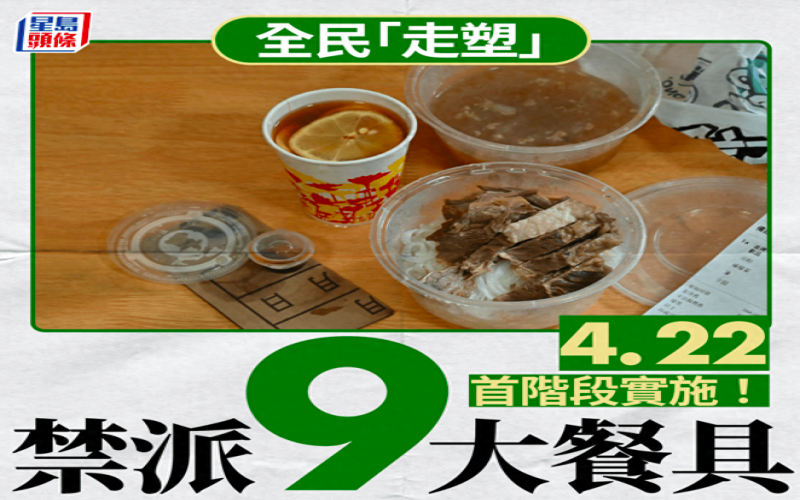
Hong Kong's Full Plastic-Free Debut: McDonald's Paper Cups and Lids Spark Heated Debate, Testing Both Taste and Efficiency
On April 22, World Earth Day, Hong Kong officially launched its "plastic-free" policy, banning in the first phase the provision of styrofoam tableware and various single-use plastic utensils for food delivery. Chain giant McDonald's was the first to respond, fully switching to paper cup lids and paper straws. However, customers complained that they had a strong paper taste, leaked easily, and were not durable, while staff also faced difficulties in identifying them and a rising error rate. During the 6-month adaptation period, some stores have quietly switched back to plastic cup lids. How should the coffee industry balance the environmental trend with the consumer experience? [more…]
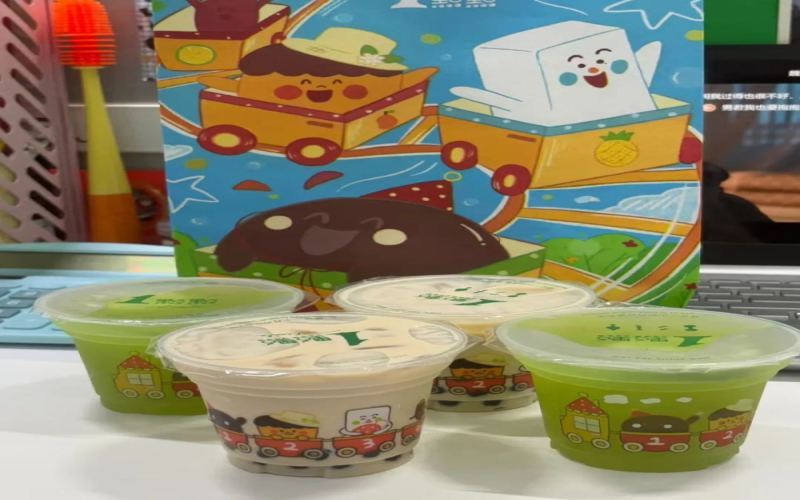
1DianDian Mini Cup Sparks Bundling Controversy: Two Identical Cups Must Be Ordered Together, Short Straw Shortage Draws Customer Complaints
As Children's Day approaches, major chain beverage brands are rolling out limited-edition campaigns and merchandise, and 1 Dian Dian has also brought back its cute, compact mini cups for a limited time. However, the launch of these mini cups has sparked considerable controversy: customers have found that when purchasing, the system automatically shows two cups, with identical flavors, sweetness levels, and toppings, and no ability to adjust them freely or order just one. Consumers who wanted to mix flavors or share with friends were disappointed, and some customers complained that the stores provide regular long straws, making the experience less than ideal. In response to the feedback, 1 Dian Dian employees also expressed helplessness, as the company has not provided ingredient ratios for the mini cups, leaving them to simply split a medium cup of tea evenly into two cups. If they were to customize orders according to customer requests, it would not only affect service efficiency but could also lead to waste. This article will sort through the focal points of controversy surrounding this mini cup campaign and the statements from all sides. [more…]
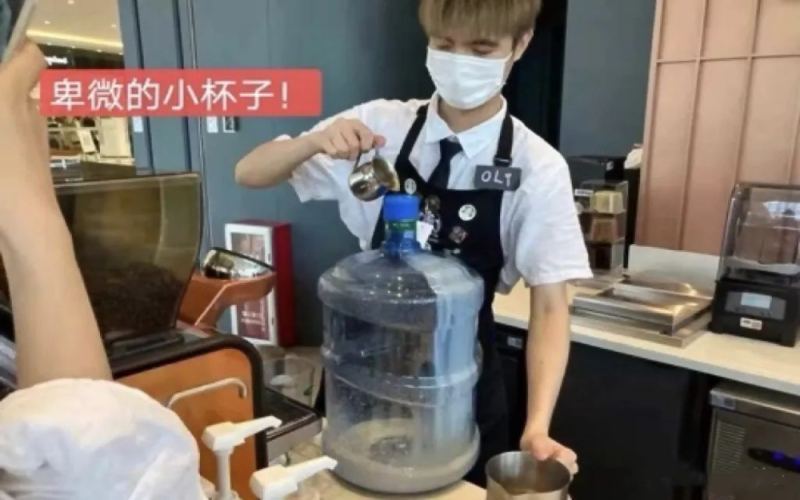
Earth Day 2023: Behind Starbucks' Free Coffee for Reusable Cups, Environmental Commitments Worth Noticing
Every year on April 22, World Earth Day, Starbucks' free coffee for customers who bring their own cups always sparks heated discussion. From the enthusiastic participation in 2017 to the coupon grabs and challenges in the following years, and then to the carnival triggered by its return in 2022, what exactly are these campaigns for? This article takes you through the evolution of Starbucks' Earth Day campaigns, explores environmental issues in the coffee industry from cultivation and processing to consumption, and looks at what other meaningful environmental actions besides free coffee are worth paying attention to. At the end, there is also a specialty bean recommendation from Front Street Coffee—if you love coffee and love the Earth, don't miss it. [more…]

Starbucks Tumbler Production Process Raises Environmental Concerns, Greenwashing Controversy and Lid Plastic Issues Draw Attention Again
Starbucks has long presented itself as environmentally friendly, from coffee-ground straws to the global expansion of its "Greener Stores," earning recognition from many environmentalists. However, a recent TikTok video showed a barista first making a drink in a disposable plastic cup before pouring it into a customer's own glass cup and then throwing the plastic cup away, sparking accusations of "greenwashing." In fact, this is not the first time Starbucks has been questioned over its environmental measures: the strawless lids introduced in 2018 were criticized for using more plastic, and the deposit and recycling issues surrounding reusable cups have also been highly controversial. This article will outline the course of the incident and the responses from various parties, and review the many controversies in Starbucks' environmental marketing, to help you understand the true situation of this coffee giant on the road to sustainable development. [more…]
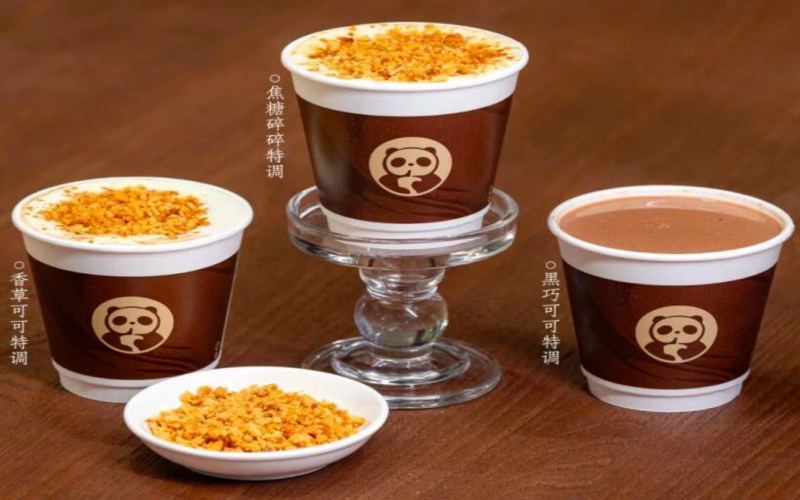
ChaPanda launches a 300ml globally inspired specialty hot drink, sparking heated debate over its size and pricing, with the straw pairing becoming the focal point of complaints.
ChaPanda recently launched its Global Flavor series, rolling out three hot specialty drinks in one go: Caramel Crunch, Vanilla Cocoa, and Dark Chocolate Cocoa. The wintery vibe in the posters drew many milk tea fans to place orders and give them a try. However, once they got their hands on the drinks, quite a few consumers discovered the takeaway cup was only palm-sized, with the mini-program listing a capacity of 300ml—a stark contrast to the 500ml or even 1-liter milk teas common on the market. In terms of price, the three drinks fell in the 14 to 17 yuan range depending on platform discounts, which some users considered poor value—too little for too much. On top of that, the thick, long straws supplied by the stores stuck into the mini cups sparked all kinds of jokes online. Still, most people rated the taste as "good"—it's just that value for money has become a hurdle on the road to repeat purchases. [more…]
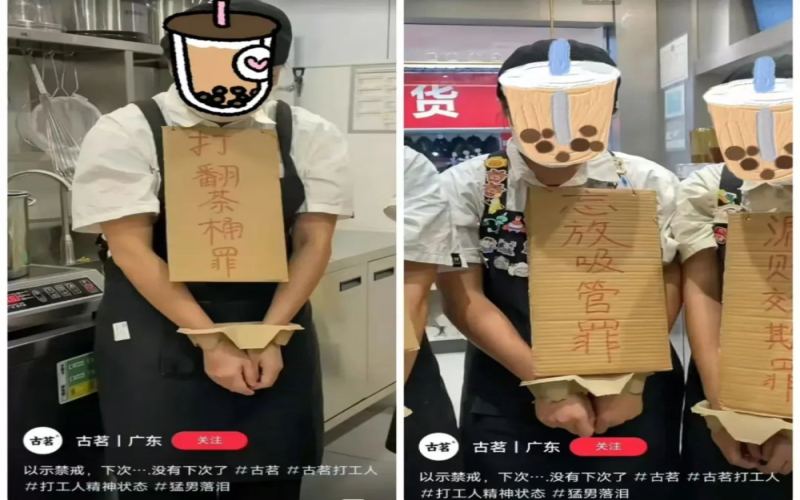
Guming employee's sign-making meme video sparks controversy, company apologizes and removes related content
During peak periods of exploding orders at tea beverage stores, staff inevitably make small mistakes such as forgetting to include straws, failing to affix expiration date labels, or knocking over tea containers, which are usually addressed with internal reminders or minor penalties. However, after employees at some Gu Ming stores filmed mocking videos featuring staff wearing placards around their necks, which were shared on social media, they sparked strong backlash from numerous netizens due to scenes involving employees having "crime" cardboard signs hung on their chests and their hands being cuffed with cup holders. The controversy centers on whether this form of imitation public shaming respects workers and whether it was appropriate for the official account to participate in posting it. Gu Ming subsequently responded that the video borrowed from a popular platform meme, has taken down the related content and apologized, and also distributed a thousand free drink vouchers. [more…]
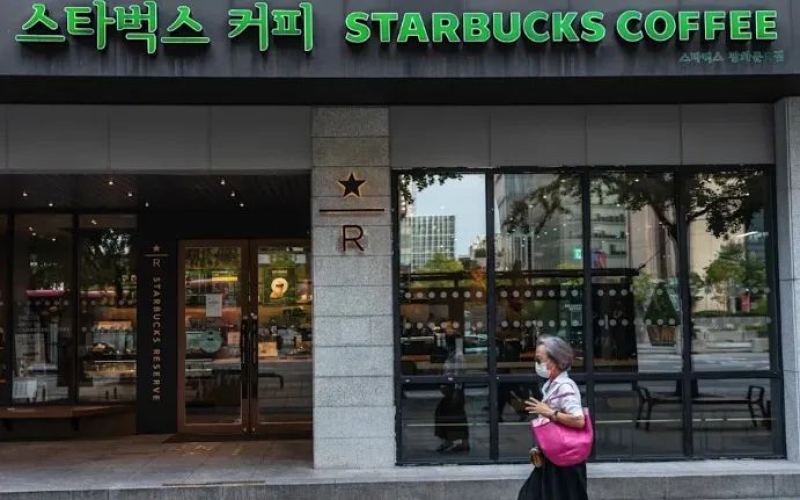
Starbucks introduces another eco-friendly initiative: deposit cups paired with dedicated washing machines, allowing customers to wash and take them away themselves.
Starbucks has been exploring ways to reduce single-use cup usage in recent years, from deposit cups in the South Korean market to cup borrowing programs in Europe and the US, but none have achieved the expected results. Now Starbucks has launched Plan C—introducing dedicated cup-washing machines in stores, where customers can wash their cups themselves after finishing their coffee and take them away, though a deposit is still required. The program will first be tested at Arizona State University and select stores in Hawaii. Meanwhile, Starbucks mainland China has fully switched to paper straws and sippy lids, reducing approximately 200 tons of plastic annually. Whether the environmental path can meet its 2025 targets remains to be seen. [more…]
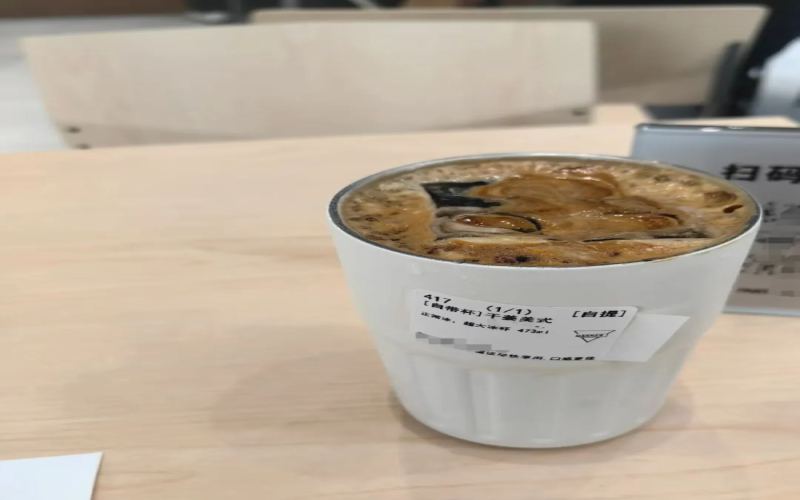
Customer Brings Own Orange Peel to Buy Manner Coffee, Refused Discount: Where Is the Boundary of Eco-Friendly Reusable Cups?
Manner Coffee's long-standing offer of a 5-yuan discount for bringing your own cup has led many consumers to develop the habit of carrying a cup for coffee on the go. However, when a customer showed up with a hollowed-out orange peel to buy an orange latte, they were denied the discount because the container did not meet the store's rules. Does this "all-natural" orange cup count as an eco-friendly bring-your-own cup? The staff refused to recognize it on the grounds that it lacked an environmental label and was kitchen waste, while the customer insisted that their creative container should be accepted. The incident sparked heated discussion online, with supporters arguing that orange peel is biodegradable and compostable, while opponents worried about food safety and the seriousness of merchant rules. This debate over a cup of coffee reflects the subtle tension between consumer creativity and merchant regulations in bring-your-own-cup culture. [more…]
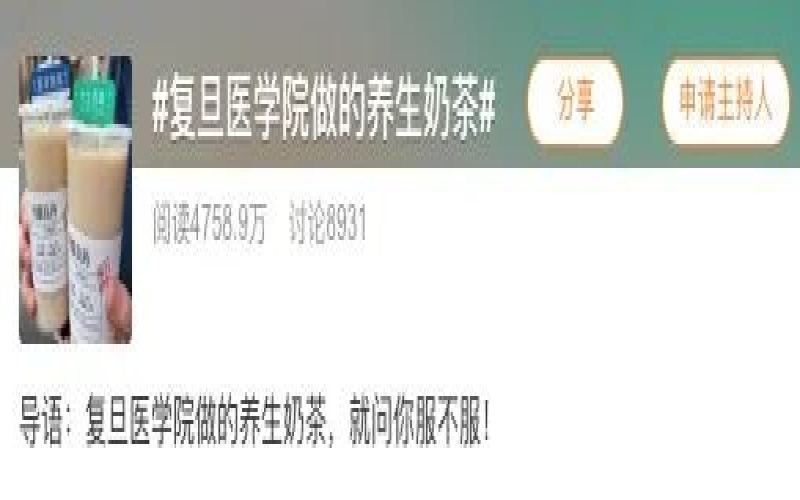
Fudan Medical College Case Card Milk Tea Goes Viral Online, Creative Packaging Inspiration Shares the Same Roots as Traditional Chinese Medicine-Style Design in the Coffee World
Recently, a "medical record card milk tea" launched by the School of Medicine at Fudan University has continued to spark heated discussion online. Its packaging design mimics prescription slips and medical record cards, printed with phrases such as "oral miracle cure" and "miraculous healing," and the straws even reproduce street signs from around the medical school, making it full of fun. As of now, the topic has received 47.589 million reads and 8,931 discussions on Weibo. In fact, similar "medical-style" creative ideas are not appearing for the first time. Previously, in the coffee sector, some cafes also introduced the concept of "oral coffee." While such novel designs can certainly grab attention quickly, for a beverage, product quality is the foundation for long-term success. [more…]
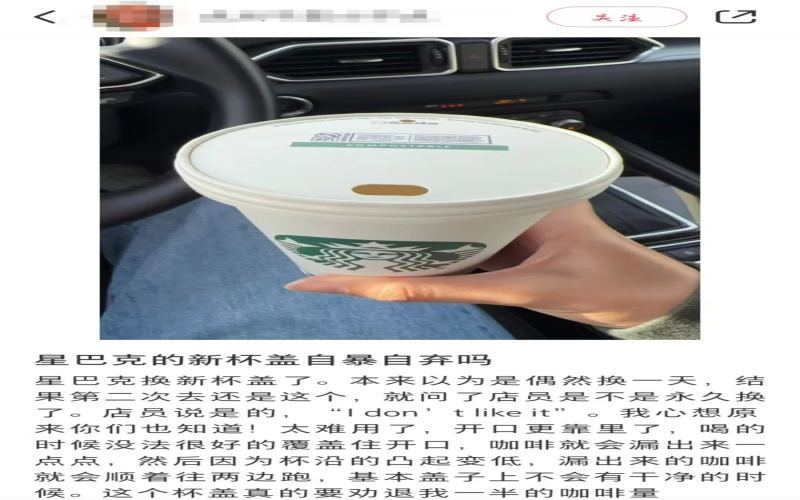
Starbucks' revised takeaway cup lid sparks debate: drinking spout moved inward, prone to leaks; cold drink cups also switching to paper lids
Recently, Starbucks quietly replaced the lids on hot beverage takeaway cups in some U.S. stores, sparking widespread discussion among consumers. The drinking opening on the new lid is positioned further inward, and the raised rim is lower, causing coffee to easily leak from the corners of the mouth when drinking, with many customers exclaiming that it is "too hard to use." At the same time, cold drink cups have also switched to white non-transparent domed paper lids and paper takeaway cups, making fans who are used to admiring the appearance of their drinks feel inconvenienced. Despite the continuous complaints, Starbucks has long been using paper tableware in France, Canada, Hong Kong and Macau, and other regions due to local environmental policies, and some customers have even switched to bringing their own cups as a result. Currently, there is no official conclusion on whether all U.S. stores will fully switch over, and there are no related plans for the mainland or Taiwan region for the time being. [more…]
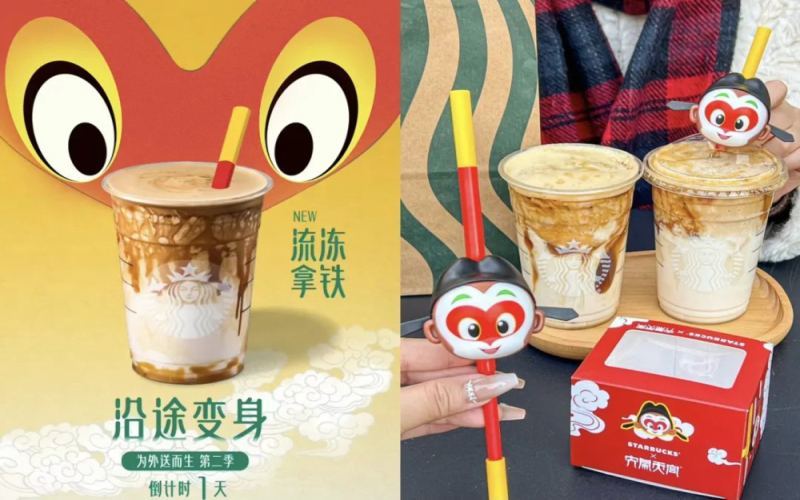
Starbucks' Uproar in Heaven collaboration merchandise gets mocked: you get the golden hoop straw but the Great Sage Monkey King head is missing
Starbucks China officially announced on January 16 a collaboration with the Chinese animated classic Havoc in Heaven, launching a transforming cold brew latte and reusable straw merchandise inspired by the Golden Cudgel, set to go on sale on January 19. Once the news broke, loyal fans and IP enthusiasts were highly excited, but after launch, many netizens found that only the straws were available, while the most anticipated Monkey King head-shaped merchandise was nowhere to be found. Stores in Beijing, Liaoning, Guangdong, Shanghai and other places had very little material, prompting some to joke, "No head, what use is this iron stick?" Although the official had stated in advance that except for the launch cities, stock would arrive between the 21st and 25th, the pace of releasing drinks first and merchandise later, teasing appetites, still left many consumers disappointed. This article reviews the entire collaboration event and netizen feedback, and also reminds brands to prepare more thoroughly when planning such activities. [more…]